Incident:
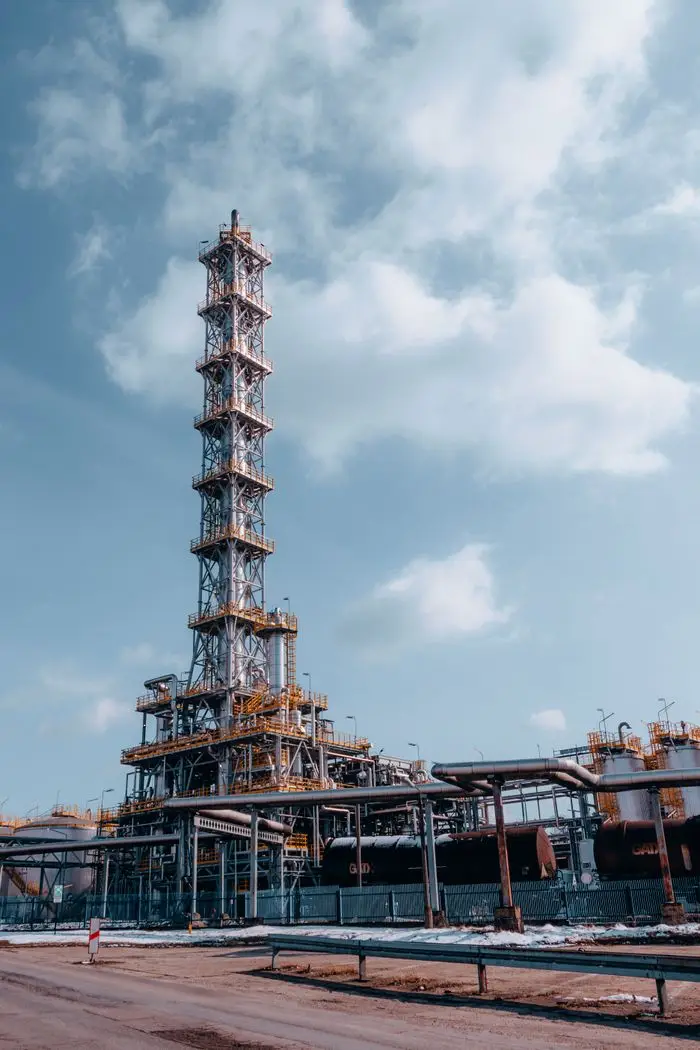
An outdoor long-distance transfer pipeline carrying liquid benzene was isolated at both ends via block valves for a weekend maintenance shutdown. The line remained full of liquid. Over the weekend, intense ambient solar heating caused the temperature of the trapped benzene to rise from 25°C to 48°C. Because liquids are virtually incompressible, the thermal expansion caused the pressure inside the blocked section to rapidly exceed the pipe’s design limit. A gasket at a valve bonnet blew out, releasing over two tons of toxic benzene into the un-bunded pipeline corridor before the leak was identified.
Key Learnings:
- Thermal Relief Mandate: Any section of piping that can be blocked in at both ends and contains liquid subject to solar or external heating must be equipped with a Thermal Relief Valve (TRV).
- Operational Awareness: If a line must be isolated without a TRV, operational procedures must require the line to be depressurized or partially drained to leave an expansion cushion (vapor space).
- Management of Change (MOC): Temporary isolation of process lines for extended periods must go through an MOC review to evaluate thermal hazards based on environmental conditions.
Labels: Incidents, Process Design, Piping